
For a private-label AI toy, Amazon compliance should not begin after the product has already been manufactured.
The safer approach is to think about product classification, age grading, testing, packaging and documentation while the product is still being engineered.
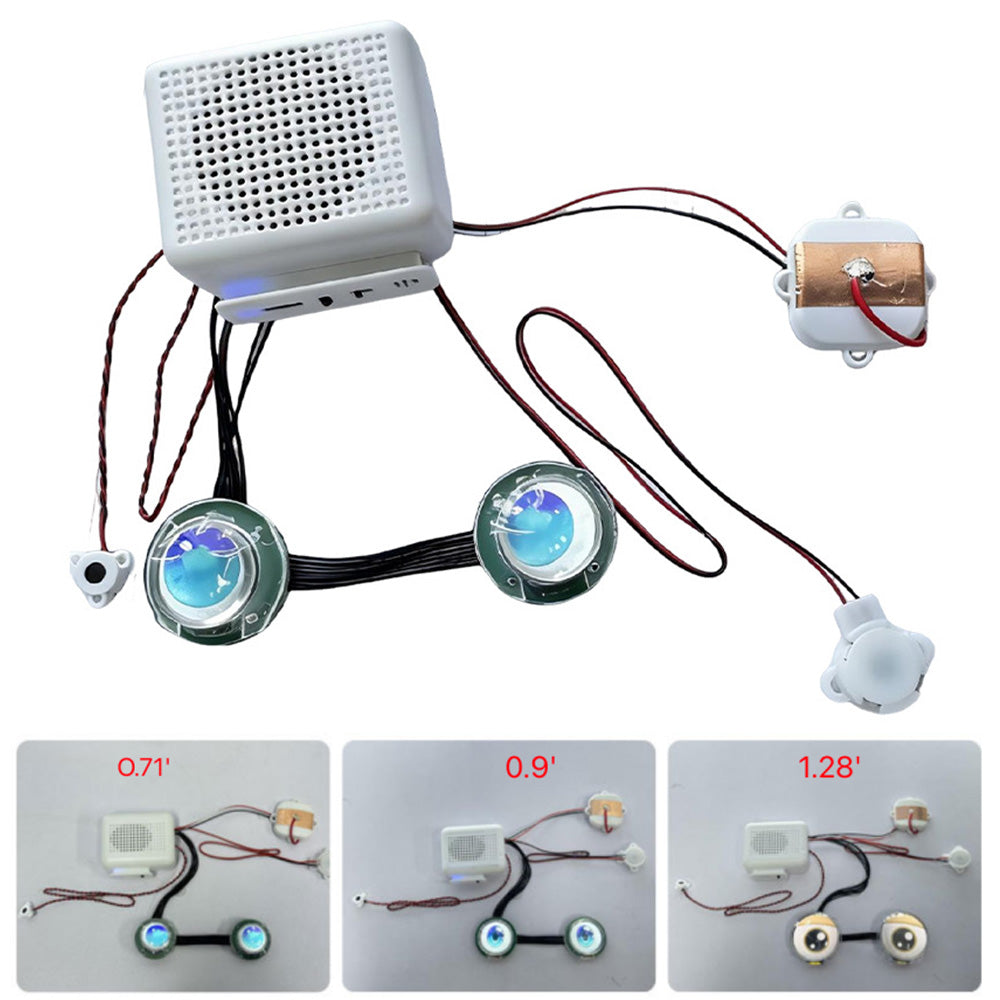
This is especially important for AI plush toys because the final product may combine traditional toy materials with batteries, wireless connectivity, microphones, speakers and cloud services.
Start with Product Classification
Before preparing an Amazon listing, determine whether the product is a children's toy and which safety requirements apply in the target market.
In the United States, CPSC guidance states that toys intended for children 12 years of age and under are subject to the mandatory toy safety framework, including applicable requirements under ASTM F963 as incorporated into federal rules. Covered children's toys require third-party testing by a CPSC-accepted laboratory and certification through a Children's Product Certificate.
The exact requirements depend on the specific product.
Amazon Has Its Own Compliance Process on Top of the Law
Amazon may require sellers to provide product-safety documentation for children's toys.
Amazon moderator guidance has also described a Direct Validation / TIC process for children's toys in the US and Canada, including annual testing or document verification through approved Testing, Inspection and Certification organizations beginning in 2025.
Because Amazon marketplace processes can change, sellers should always check their current Account Health and compliance requirements before launch.
Product Development Should Anticipate the Documents
During development, a private-label brand should keep control of:
- final product model name,
- age grading,
- material list,
- battery specification,
- electronics configuration,
- wireless functions,
- factory information,
- packaging artwork,
- warning labels,
- user manual,
- production batch information,
- and the exact final sample used for testing.
If these elements change after testing, the brand may need to review whether the existing documentation still matches the product being sold.
CPC and Testing Are Product-Specific
A common sourcing mistake is to receive a generic test report from a supplier and assume it automatically covers a new private-label design.
The safer question is:
Does the report identify the same product configuration, materials and model that will actually be sold?
For customized AI toys, changes such as a new battery, new material, different electronics or a new age grading may affect the compliance evaluation.
Packaging Is Part of the Product Launch
Amazon listings and physical packaging should be consistent.
Important areas may include:
- age information,
- required warnings,
- product and brand identification,
- manufacturer/private-label information where applicable,
- charging or battery instructions,
- radio/electronic information,
- and user instructions.
The listing should not make claims that conflict with the tested product or intended age group.
AI Functions Add Another Layer
An AI toy may also require decisions around:
- account creation,
- Wi-Fi or Bluetooth setup,
- privacy policy,
- child-data handling,
- AI identity and safety configuration,
- app support,
- cloud-service terms,
- and firmware updates.
These software-layer requirements do not replace toy-safety testing, but they affect the total commercial readiness of the product.
Build a Compliance File Before the First Shipment
A useful internal file may contain:
- final specification,
- BOM / material records,
- battery documents,
- final product and packaging photos,
- user manual,
- test reports,
- Children's Product Certificate where applicable,
- factory and batch traceability information,
- app/privacy documents,
- and marketplace compliance correspondence.
This makes later Amazon requests much easier to answer.
Do Not Design Only for the Listing Page
The goal should not be simply to get an ASIN approved.
A strong private-label product needs:
repeatable manufacturing + valid documentation + reliable electronics + stable software + after-sales support.
If these are considered early, the Amazon launch becomes the final commercial step rather than a last-minute compliance rescue.
For AI Toy Brands, Sourcing and Compliance Need to Work Together
Private-label AI toys sit between several industries: toys, consumer electronics, connected devices and cloud software.
That means the manufacturer and brand should align on the final configuration before testing and mass production.
At EmotiToy, the practical objective is to help brands freeze the real commercial product first, then prepare the testing and documentation around that actual configuration.
Official Sources
- Amazon Toy Sellers Safety Compliance Update
https://sellercentral.amazon.com/seller-forums/discussions/t/7925a57b-4be5-4176-a918-329133a4536c
- CPSC Toy Safety Business Guidance
https://www.cpsc.gov/Business--Manufacturing/Business-Education/Toy-Safety
- CPSC Toy Safety FAQ
https://www.cpsc.gov/FAQ/Toy-Safety