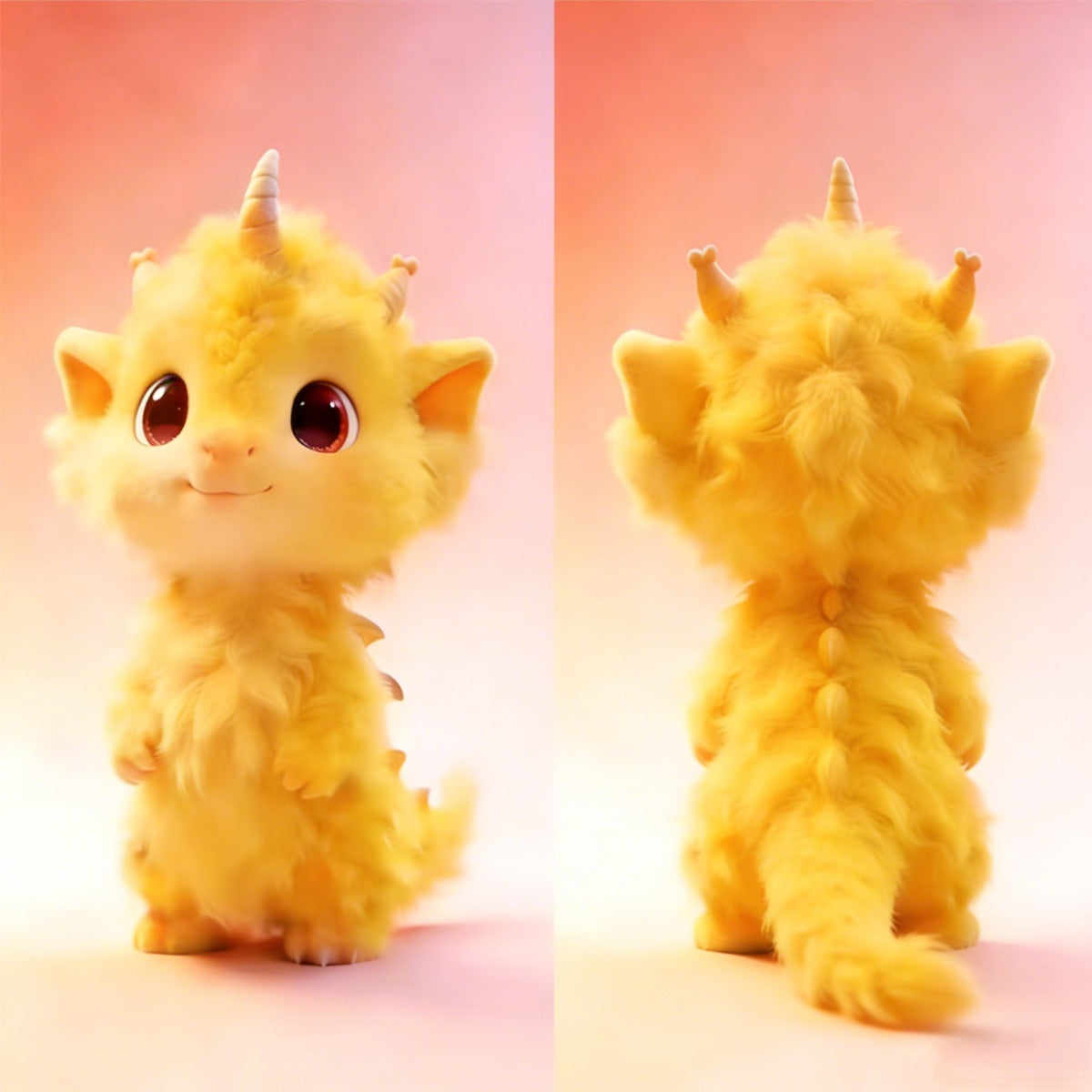
A large language model can answer an enormous range of questions.
That does not automatically make it a good product.
For a branded AI toy, the goal is usually not to create a completely unrestricted chatbot. The goal is to create a recognizable character that behaves consistently, knows the right information, follows the brand's rules and responds appropriately for the intended audience.
That requires more than selecting an LLM.
A more useful architecture is:
Model + Agent + Role + Knowledge + Voice + Product Rules
Tuya's AI Agent platform provides a useful public example of how these layers can be separated.
The LLM Is General; the Product Should Be Specific
General-purpose language models are intentionally broad.
A branded toy usually needs narrower behavior.
For example, a character may need to know:
- its own name and story,
- the fictional world it belongs to,
- product-specific educational content,
- approved stories and songs,
- brand terminology,
- frequently asked questions,
- safety rules,
- or a selected body of learning material.
Without structured product knowledge, the AI may answer correctly in a general sense while still sounding inconsistent with the character or brand.
Roles Define Who the Character Is
Tuya's Role Management documentation describes role settings for products such as AI dolls and smart storytelling devices.
A role can include information such as:
- personality,
- backstory,
- knowledge or interests,
- language,
- voice settings,
- labels,
- and visual identity.
This allows product teams to separate character configuration from the underlying model.
A brand can therefore keep the same hardware platform while creating multiple characters, editions or content packages.
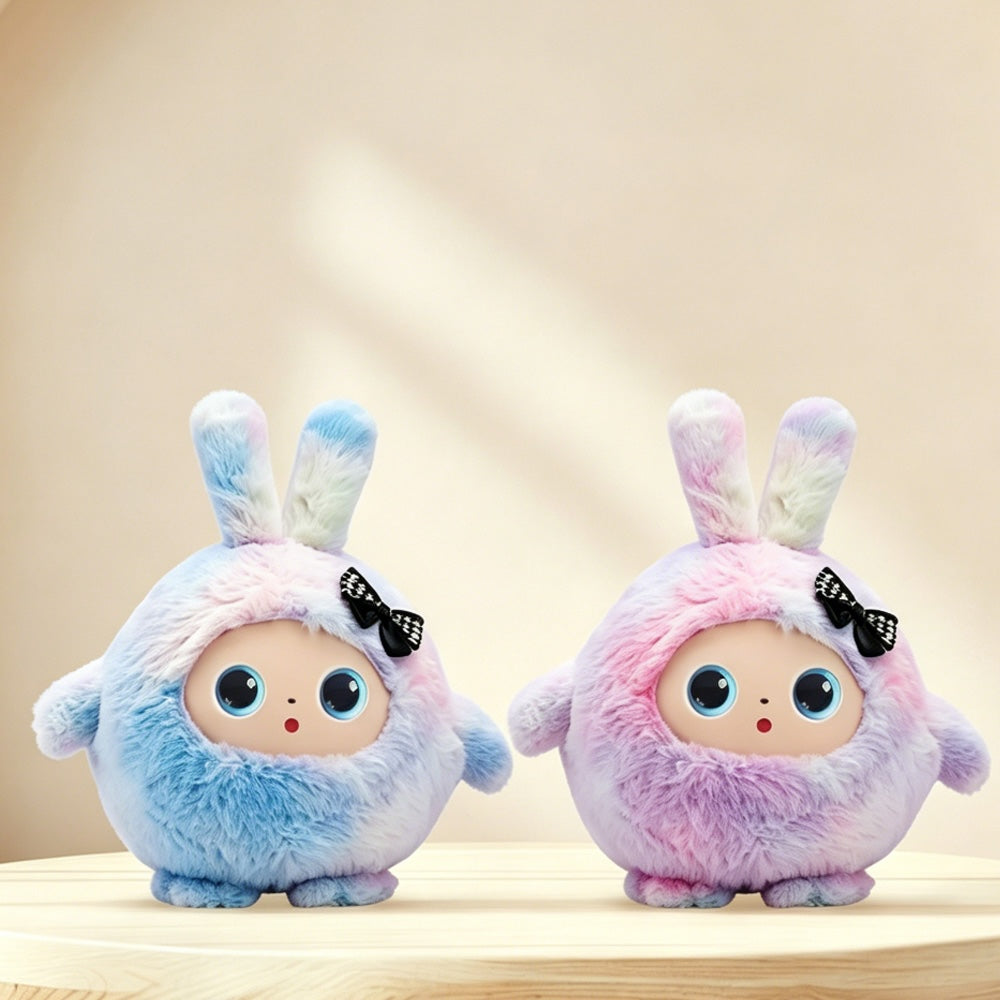
This is especially useful for product families where several plush characters share the same electronics but need different identities.
Knowledge Bases Help Control What the Toy Knows
In its 2026 platform updates, Tuya added knowledge-base management for AI Agents.
The published documentation describes support for:
- Q&A knowledge bases,
- document knowledge bases,
- vectorization,
- document parsing,
- chunking,
- multilingual knowledge,
- and retrieval during Agent interaction.
This creates an important product-development option.
Instead of relying entirely on the model's general training, a brand can provide selected material that the Agent can retrieve when answering relevant questions.
This approach is commonly described as retrieval-augmented generation, or RAG.
What Kind of Content Can Become Product Knowledge?
Depending on the product, a controlled knowledge layer could contain:
Character information
- character biography,
- relationships,
- personality rules,
- preferred vocabulary,
- fictional locations,
- recurring stories.
Educational material
- vocabulary lessons,
- simple science facts,
- math explanations,
- language-learning content,
- age-appropriate quizzes,
- approved curriculum material.
Brand content
- product story,
- brand values,
- instructions,
- FAQs,
- warranty information,
- support guidance.
Cultural or specialized content
For products built around a specific cultural, historical or educational theme, brands can define an approved content library rather than allowing the AI to improvise every answer from general model knowledge.
This is particularly important when the accuracy or wording of source material matters.
Knowledge Base Does Not Mean Every Answer Must Be Fixed
A knowledge-based AI toy is not necessarily a prerecorded question-and-answer machine.
The Agent can still generate natural responses.
The difference is that the model can retrieve product-approved information when the conversation requires it.
A simplified interaction can look like this:
User question
↓
Agent identifies topic
↓
Knowledge-base retrieval
↓
Relevant source content returned
↓
LLM generates a natural response using that content
This allows the product to combine controlled information with conversational flexibility.
Why This Matters for Children's Products
For child-facing AI toys, content control is especially important.
A strong product should distinguish between:
- what the AI is technically capable of answering,
- and what the product is intended to answer.
Knowledge bases, system instructions, child-safety settings and role rules can work together to define a more appropriate experience.
This does not remove the need for testing. It does, however, give product teams more control than simply exposing an unrestricted general chatbot.
Multiple Characters Can Share One Technical Platform
One useful commercial benefit of role-based Agent architecture is reuse.
A manufacturer might develop one electronic and cloud platform and then create different character SKUs by changing:
- plush appearance,
- role configuration,
- voice,
- knowledge package,
- language,
- and brand content.
That can reduce the amount of engineering that must be repeated for every new character.
The physical product still needs appropriate validation, but the software architecture becomes more reusable.
Knowledge Can Also Support Different Markets
A multilingual AI toy does not only need translated menus.
Its content may also need localization.
For example:
- educational examples may differ by country,
- character names may change by market,
- brand FAQs may need local versions,
- support instructions may differ,
- regional vocabulary may need adjustment.
A structured knowledge layer makes this easier to manage than placing every rule into one very large prompt.
Version Control Matters
AI content changes over time.
A brand may update:
- a character story,
- educational material,
- product instructions,
- approved answers,
- or safety wording.
That means product teams should treat knowledge content as a maintained asset.
Useful internal controls can include:
- source document owner,
- version number,
- approval date,
- target language,
- intended age group,
- publication status,
- and change history.
This is particularly important when AI content is part of a commercial product rather than an experimental demo.
Knowledge Retrieval Needs Testing
A knowledge base is only useful if the Agent retrieves the correct information at the correct time.
Tuya's Agent Evaluation documentation includes knowledge-retrieval traceability during testing.
That means product teams can compare:
Input → retrieved knowledge → actual answer → expected answer
This is useful for diagnosing two very different problems:
- the correct source was not retrieved, or
- the correct source was retrieved but the Agent generated a poor answer.
Those problems require different fixes.
A Practical Content Architecture
For many branded AI toys, a useful structure is:
Layer 1 — Core safety and product rules
Highest-priority instructions defining what the Agent should and should not do.
Layer 2 — Character role
Name, personality, speaking style, backstory and identity.
Layer 3 — Approved knowledge
Brand, educational or specialized source content.
Layer 4 — Conversation context
The current discussion and short-term context.
Layer 5 — Optional memory
Selected information used for personalization where appropriate.
Layer 6 — Tools and device actions
Functions the Agent can call, such as controlling expressions, movement or other product features.
This layered architecture is easier to maintain than trying to solve everything with one prompt.
Questions Brands Should Answer Before Creating the Knowledge Base
- What topics should the toy be able to answer?
- Which topics require approved source material?
- Which sources are authoritative for the product?
- Who owns and approves the content?
- How often will the content change?
- Which languages are required?
- Should the same knowledge be used in every country?
- How should the Agent respond when the knowledge base has no answer?
- Which answers should be fixed and which can be generated flexibly?
- How will retrieval quality be tested before launch?
From Generic Chatbot to Branded AI Product
The difference between a generic chatbot and a branded AI toy is not only the plush shell around the electronics.
The software experience also needs product identity.
Role configuration gives the toy a character.
Knowledge gives it product-specific information.
Voice gives it a recognizable speaking style.
Safety rules define its boundaries.
Testing helps verify that all of these layers work together consistently.
For OEM/ODM development, this means the content architecture should be discussed alongside the hardware architecture rather than after the prototype is already complete.
Official Sources
- Tuya — 2026 Developer Platform Updates: Knowledge Base Management
https://developer.tuya.com/en/docs/iot/announcement-update?id=Ka5o4ytv9ihvq
- Tuya — Role Management
https://developer.tuya.com/en/docs/iot/agent_role?id=Kegdz5zoi8f2q
- Tuya — AI Agent Development
https://developer.tuya.com/en/docs/iot/agent?id=Kdxnn04ancnc8
- Tuya — Agent Evaluation
https://developer.tuya.com/en/docs/iot/ai-agent-evaluation?id=Kenth7s0bxavo