
An AI companion for older adults should not simply copy a children's toy with a different character.
The product priorities can be very different: simple setup, clear speech, reliable connectivity, physical comfort, understandable controls, privacy and easy support may matter more than visual novelty.
WHO identifies social isolation and loneliness as important public-health concerns across all ages, including older people. At the same time, an AI companion should not be presented as a treatment or a replacement for family, caregivers or professional care.
The product opportunity is better understood as supporting access, routine interaction and digital usability.
Start with the User Environment
The design team should understand where the product will be used.
Possible environments include:
- private homes,
- assisted-living settings,
- family-supported living,
- rehabilitation or wellness environments,
- or shared community spaces.
Each environment changes the requirements for connectivity, setup, account management and support.
Voice-First Can Reduce Interface Complexity
A conversational interface may be useful when a user does not want to navigate complex menus.
But voice interaction must be engineered for clarity.
Important areas include:
- microphone sensitivity,
- speaker volume,
- speech speed,
- accent and language support,
- response length,
- wake method,
- and behavior when speech is unclear.
The system should fail gracefully instead of pretending to understand when it does not.
The Voice Should Be Comfortable, Not Overly Animated
A senior-focused companion may need a different audio personality from a children's character.
Useful characteristics may include:
- calm pacing,
- clear pronunciation,
- shorter responses,
- predictable wording,
- and simple confirmation prompts.
The “best” TTS voice depends on the user group, target language and product role.
Physical Design Matters as Much as AI
A device intended for regular handling should consider:
- easy-to-find controls,
- charging access,
- large or tactile buttons if used,
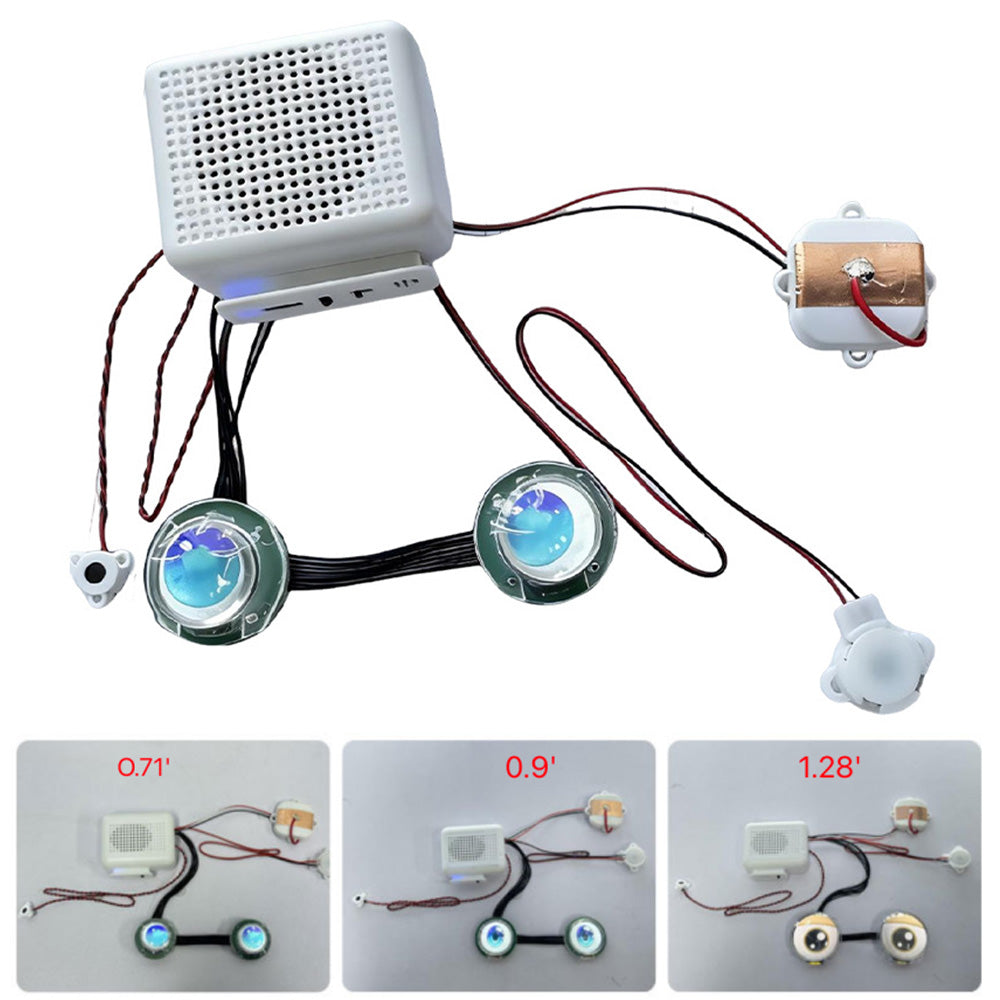
- removable electronics for cleaning,
- stable speaker output,
- low mechanical noise,
- and a product form that is comfortable to hold or place nearby.
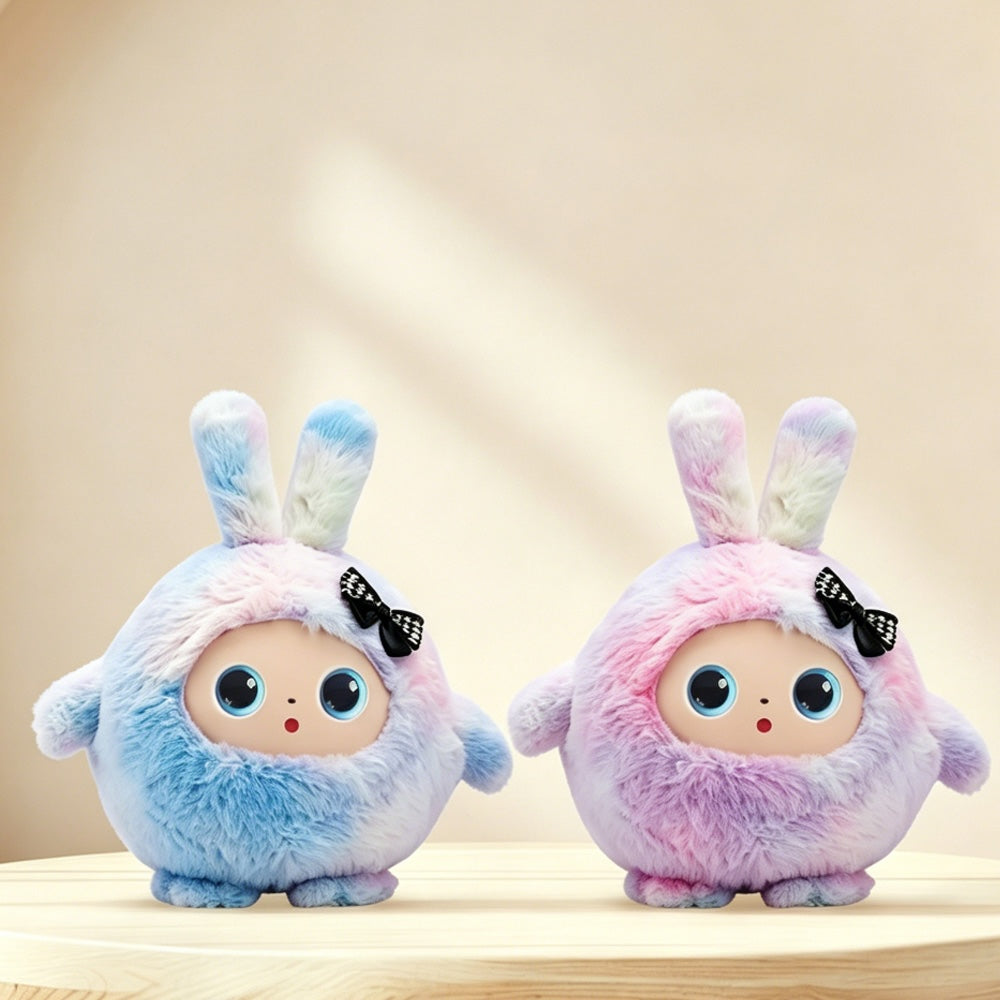
For a plush companion, washable or removable textile parts can be especially useful for long-term use.
Connectivity Should Match the Support Model
Wi-Fi may be appropriate where a family member or caregiver can complete setup.
Cellular connectivity may be considered where:
- the user moves between locations,
- Wi-Fi changes frequently,
- or the product needs a more self-contained connection path.
However, cellular service also introduces SIM/eSIM management, regional coverage, data costs and support responsibilities.
The right network architecture depends on how the product will actually be supported.
Privacy Needs to Be Understandable
A companion device may process voice, account and interaction data.
Users and families should be able to understand:
- what information is collected,
- whether conversations are stored,
- how data can be deleted,
- who can access the account,
- and whether family members can view any interaction history.
The product should not rely on vague privacy language that users cannot act on.
Family and Caregiver Roles Need Clear Boundaries
A connected companion may include optional family-facing functions, but the product team should define what those functions are for.
Possible features include:
- device status,
- language or volume settings,
- account support,
- reminders configured by an authorized user,
- or basic usage information.
The design should avoid creating the impression that passive monitoring automatically equals care.
AI Companions Should Complement Human Connection
WHO's work on social connection emphasizes that loneliness and social isolation have broad social and health implications and that a range of human and digital interventions may play roles in addressing social connection.
For product companies, the appropriate conclusion is not that an AI device “solves loneliness.”
A more responsible product position is:
The device can provide accessible interaction and support selected routines while remaining complementary to real human relationships and care.
Useful Product Functions May Be Simple
A strong senior-focused V1 may not need dozens of AI features.
Useful functions can include:
- conversational interaction,
- simple stories or news summaries,
- music or audio control,
- language support,
- reminders configured by the user or authorized family,
- easy volume adjustment,
- and clear setup support.
The highest-value product is often the one that is easiest to understand and maintain.
Product Development Should Include Real User Testing
A design that seems simple to an engineering team may still be confusing in practice.
Prototype testing should observe:
- setup time,
- wake-word success,
- speaking pace,
- button visibility,
- charging difficulty,
- network recovery,
- and whether users understand what the AI can and cannot do.
At EmotiToy, we see older-adult companion products as a distinct design category that combines voice AI, physical product engineering and a strong emphasis on usability and serviceability.
Official Sources
- WHO: Reducing Social Isolation and Loneliness Among Older People
https://www.who.int/health-topics/ageing/reducing-social-isolation-and-loneliness-among-older-people
- WHO: Social Connection
https://www.who.int/news-room/questions-and-answers/item/social-connection
- Tuya AI Agent Language Support
https://developer.tuya.com/en/docs/iot/agent-lang?id=Kekg6becm9z6g