A useful buyer brief does not need to contain every final specification. Its purpose is to give the development team enough context to understand the product, identify risks and ask better questions. For an AI plush project, that means covering both the soft character and the interaction system.
Start with the commercial context
Explain who will buy the product, where it will be sold and how it fits the brand. A promotional mascot, a retail character and an educational companion may look similar, but they have different packaging, content and operating needs.
- Brand or project name
- Intended user and use setting
- Destination market or markets
- Sales channel or campaign context
- Target launch window
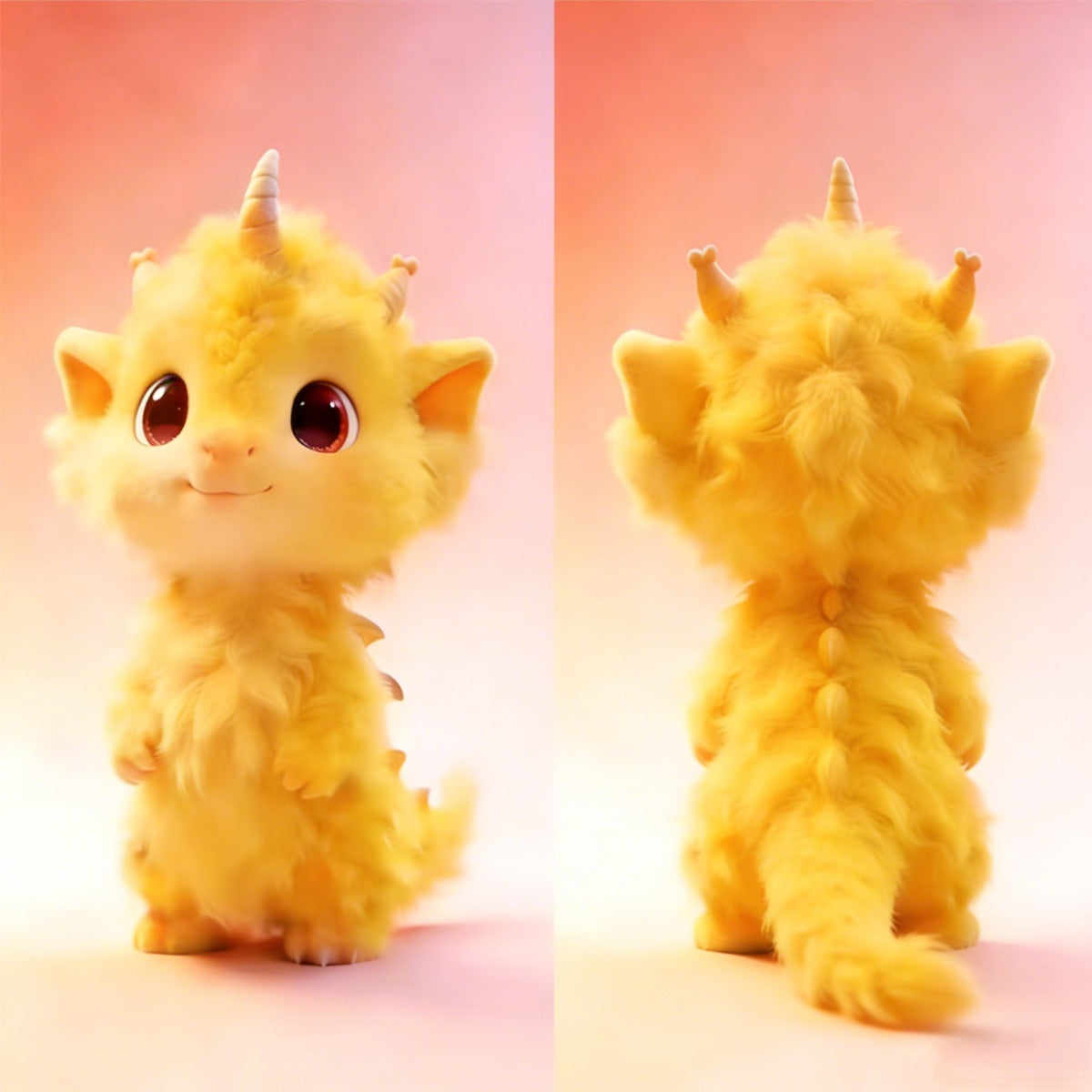
Provide the character source
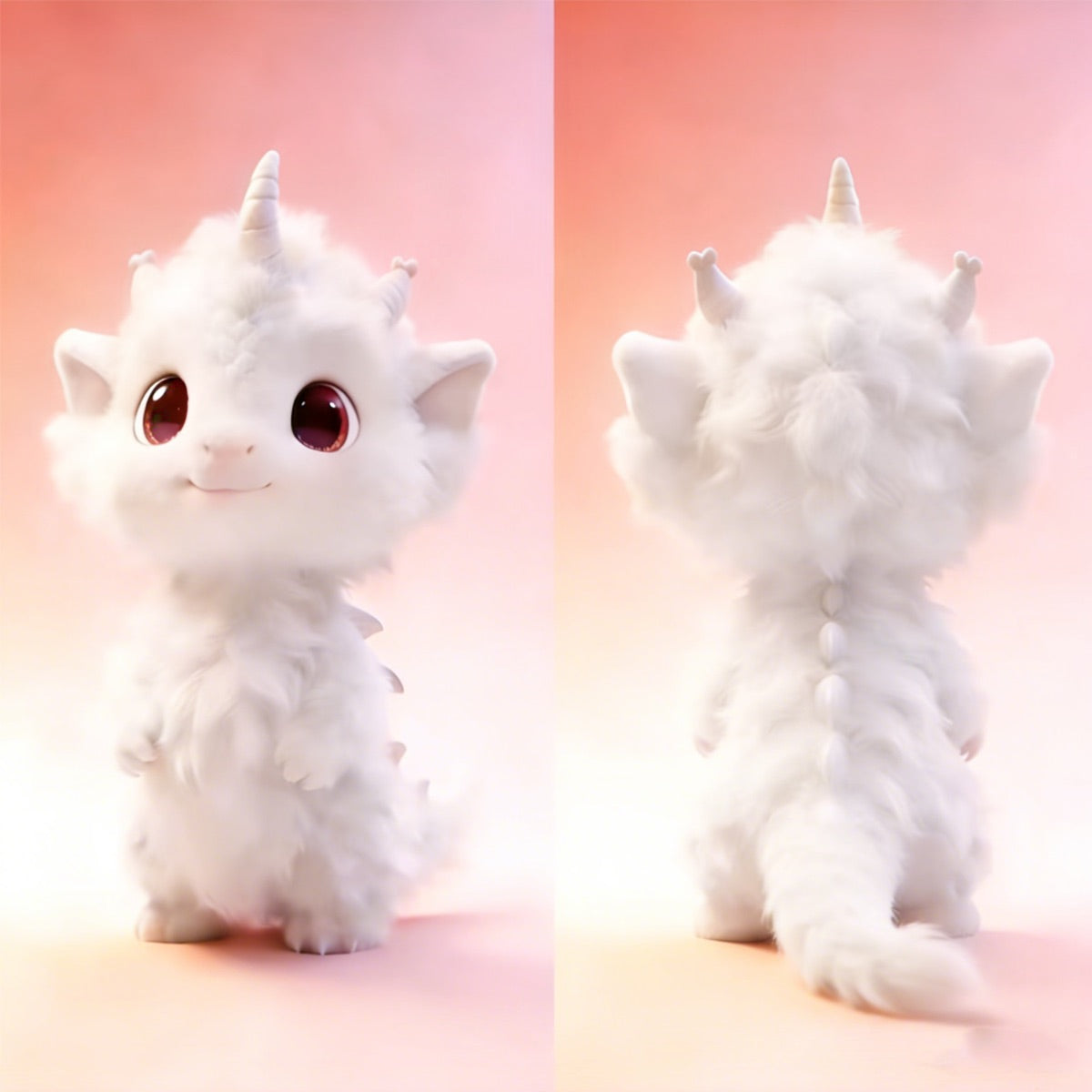
Share the best available visual reference: a sketch, style guide, 3D rendering, existing sample or licensed character file. Note which details are fixed and which can be adapted for plush construction. Color references, logos, embroidery artwork and accessory details are especially helpful.
If the character is still open, describe the desired personality and visual direction. The development team can then separate creative decisions from engineering constraints.
Describe the experience in plain language
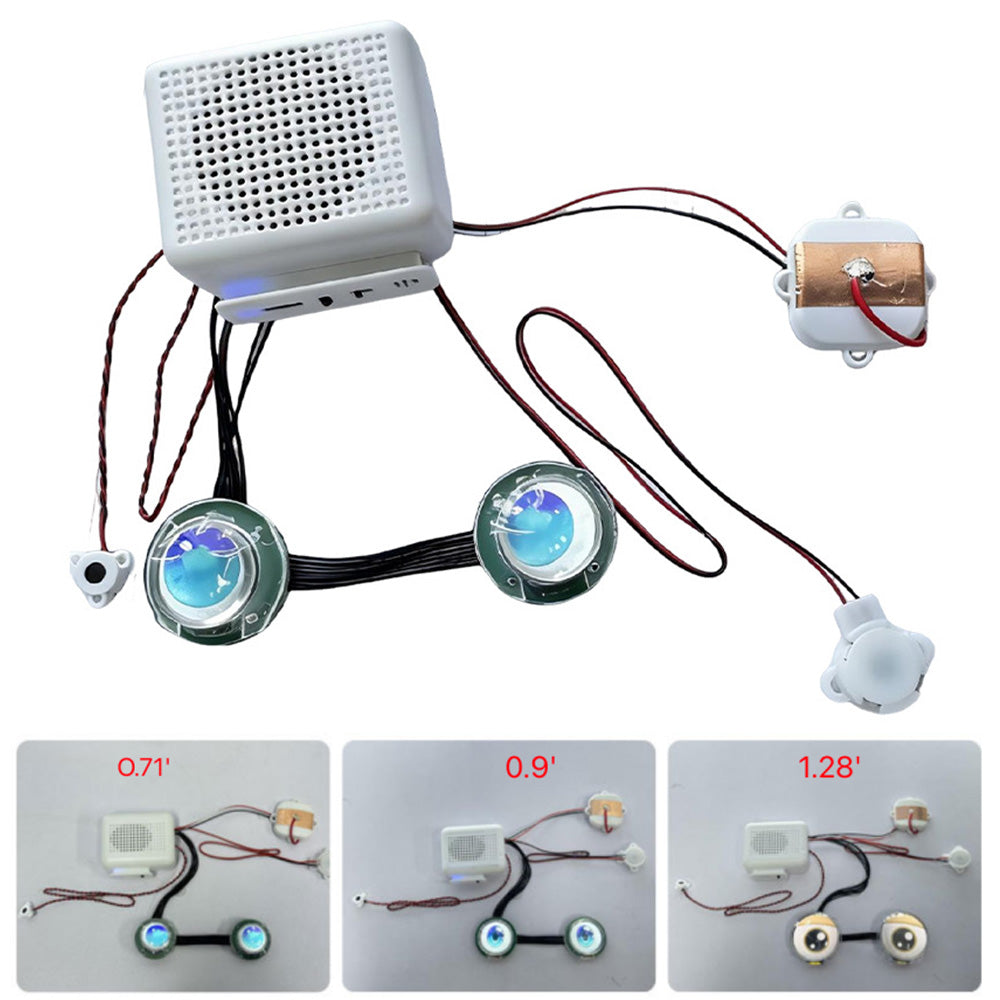
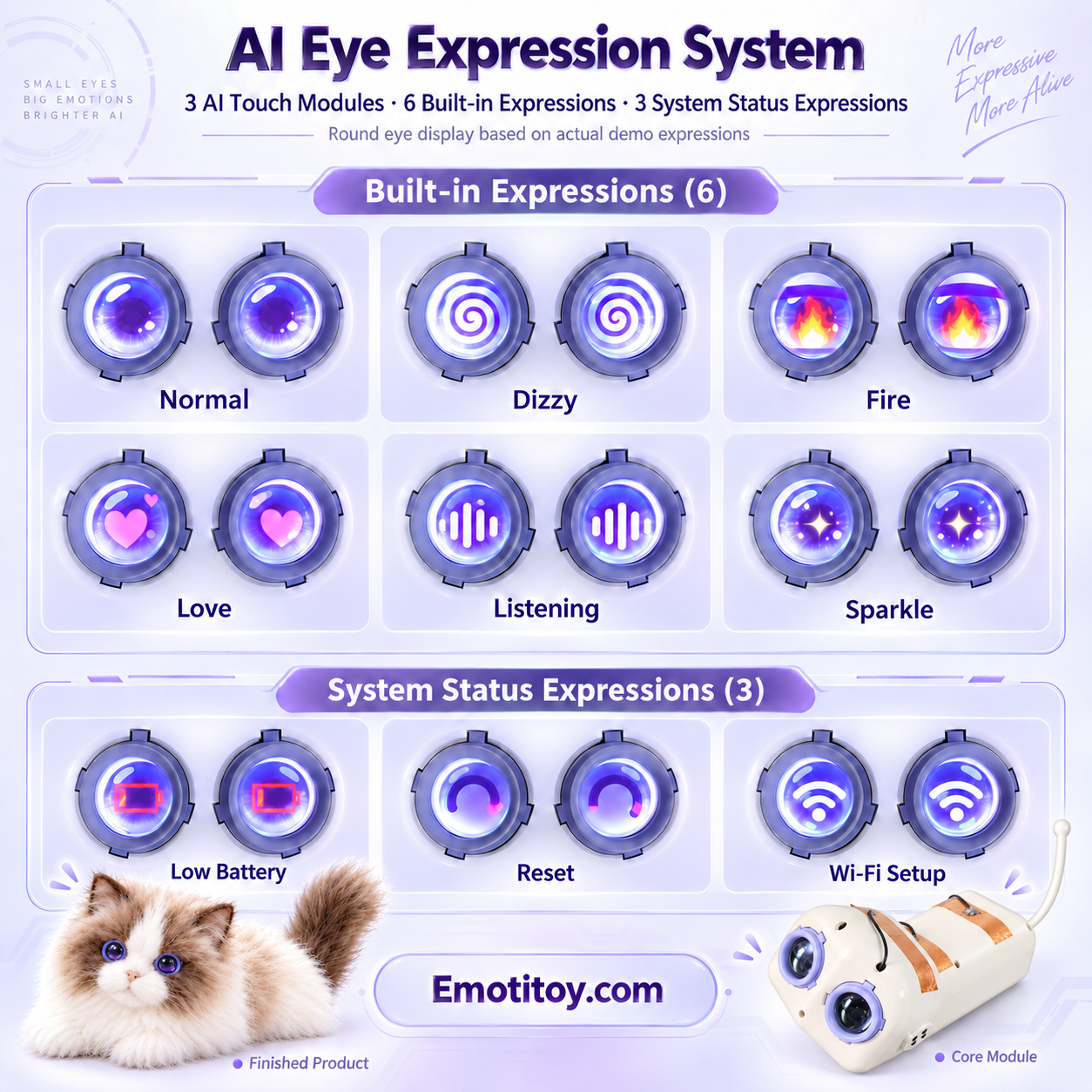
Avoid beginning with a long technical specification. First describe what the user does and how the character responds. Identify the priority moments, such as a squeeze that plays audio, a spoken prompt that starts a conversation or a light response that signals a mode.
For each moment, note the input, output and content source. If the interaction is connected, include who will provide and operate any related software or content service.
List practical product preferences
Include the preferred size range, materials, color direction, power approach, control locations and any requirement for removable electronics. If you do not have final answers, mark them as open decisions. A visible question is easier to resolve than an assumption.
Packaging also belongs in the early brief. A display box, gift box or simple protective pack affects presentation, shipping dimensions, labeling and the unboxing experience.
Identify market-specific requirements
Requirements vary by product type and destination market. Share the intended countries and any testing, labeling, language, privacy or accessibility requirements already identified by your compliance team. These details should be reviewed before production decisions are locked.
Separate targets from confirmed specifications
It is helpful to share target quantity, budget range and timing, but label each one clearly as a target until it is confirmed. Final commercial terms depend on the approved design, module, materials, packaging and production plan.
Attach a concise decision list
End the brief with three columns: confirmed, preferred and open. This gives every participant the same view of the project and makes the first development conversation far more productive.
EmotiToy supports OEM/ODM buyers with plush design and prototyping, electronics integration, private-label presentation, packaging coordination and production preparation. A clear brief is the best starting point for that collaboration.