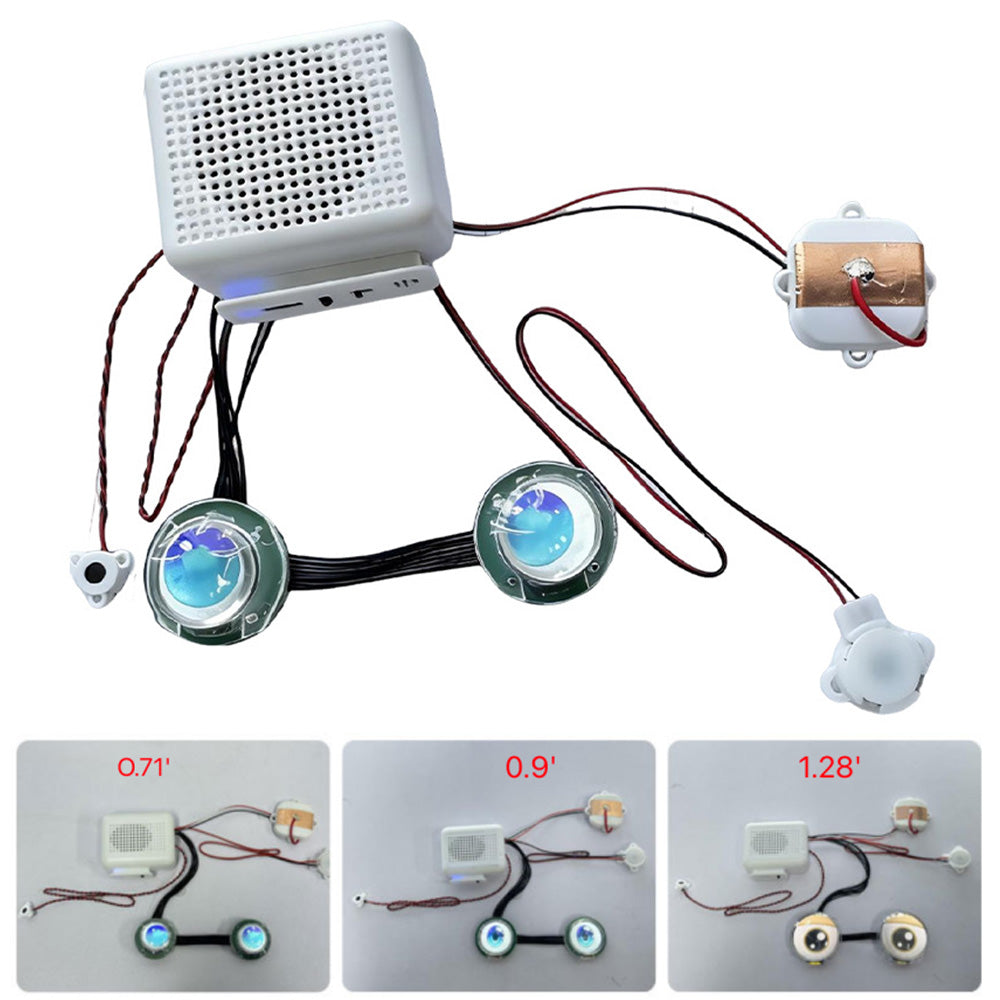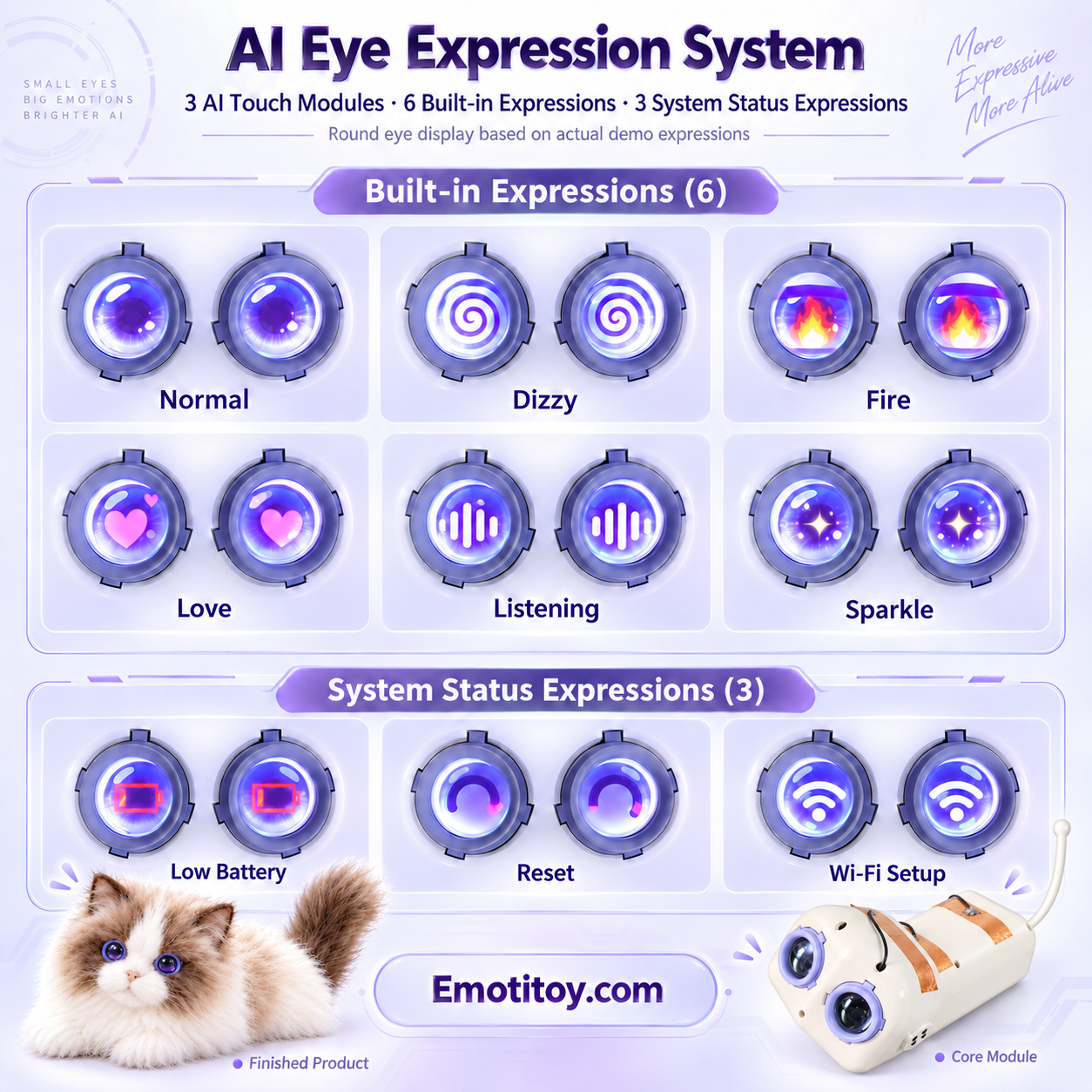
Taking an AI plush product into more than one market affects far more than the text on the box. Language, connectivity, content, support, labeling and channel expectations can all change the product plan. Addressing those differences early helps a buyer avoid late redesigns.
Define the market set before freezing the design
Start with a specific list of destination countries and sales channels. “Global” is not a specification. A distributor-led launch, retail program and branded campaign may each require different packaging, documentation and customer-support arrangements.
Use one core product architecture where practical, then document which elements vary by market. Typical variables include language, audio or conversational content, labels, instructions, packaging artwork, plug or charging accessories and connected-service behavior.

Plan language as part of the experience
Language affects more than translation. Pre-recorded content needs approved scripts, voice direction and final audio files. Conversational products need a clear plan for supported languages, content rules and fallback behavior. Buttons, indicators and spoken prompts should make sense together in every version.
Maintain a controlled content list with version names and approval status. This reduces the chance of mixing packaging, firmware or audio files from different market versions.
Clarify the connected-service model
If the product relies on an app, cloud service or AI platform, define who owns the customer relationship and who operates the service. Buyers should plan account setup, updates, service availability, customer support and the experience when connectivity is limited.
Data and privacy requirements depend on the intended users, product behavior and destination. They should be evaluated by the buyer's qualified legal and compliance teams as part of the product plan, not left until packaging approval.
Build packaging and documentation as a system
Packaging must protect the product, communicate the character and carry the required market information. Instructions should cover setup, controls, charging or battery handling, care and connected features where applicable. Keep source files organized so approved local versions can be reproduced reliably.
Validate the complete market version
Review a representative sample with its final-style electronics, audio or software version, labels, instructions and packaging. A component may perform correctly on its own while the complete experience still contains confusing prompts or mismatched content.
Testing and compliance needs differ by market and product configuration. Confirm the applicable plan with qualified testing and compliance partners before mass production.
Create a market-version matrix
A simple matrix keeps the project controlled. Place markets in rows and product elements in columns: language, content version, labels, instructions, packaging, connected service and approval owner. The matrix becomes a practical handoff tool for design, engineering, sourcing and production.
EmotiToy works with B2B buyers on custom plush development, electronics integration, packaging coordination and export-oriented production preparation. Early market planning helps those workstreams stay aligned around one product strategy.