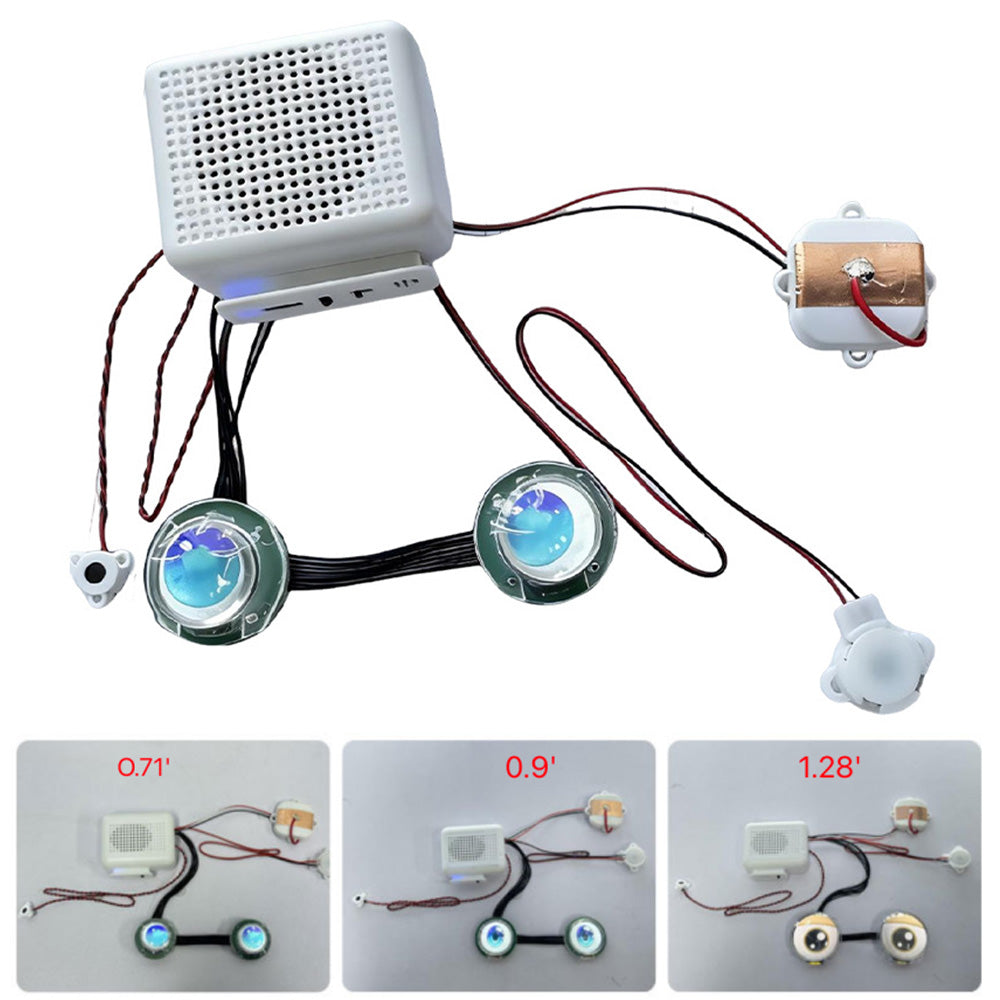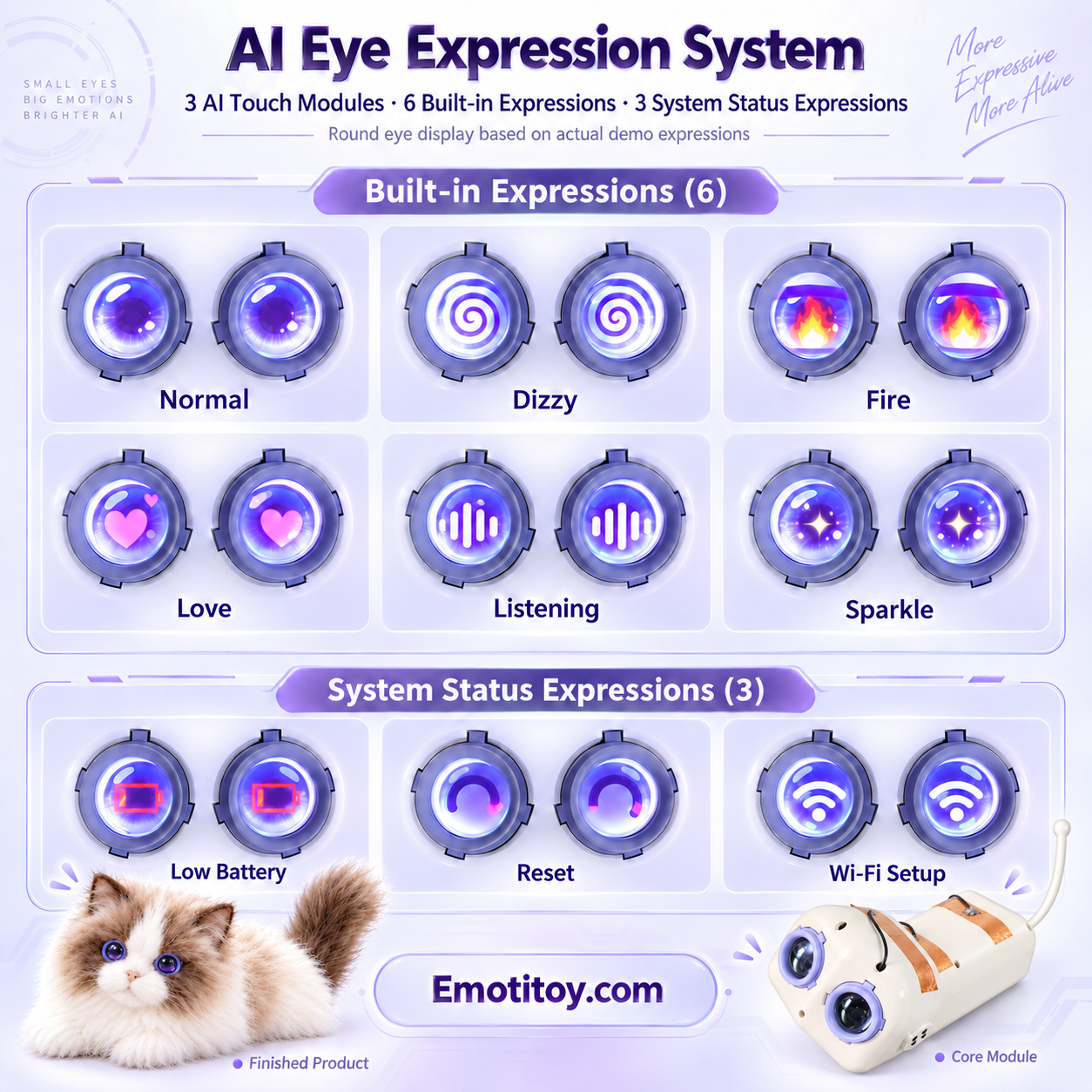
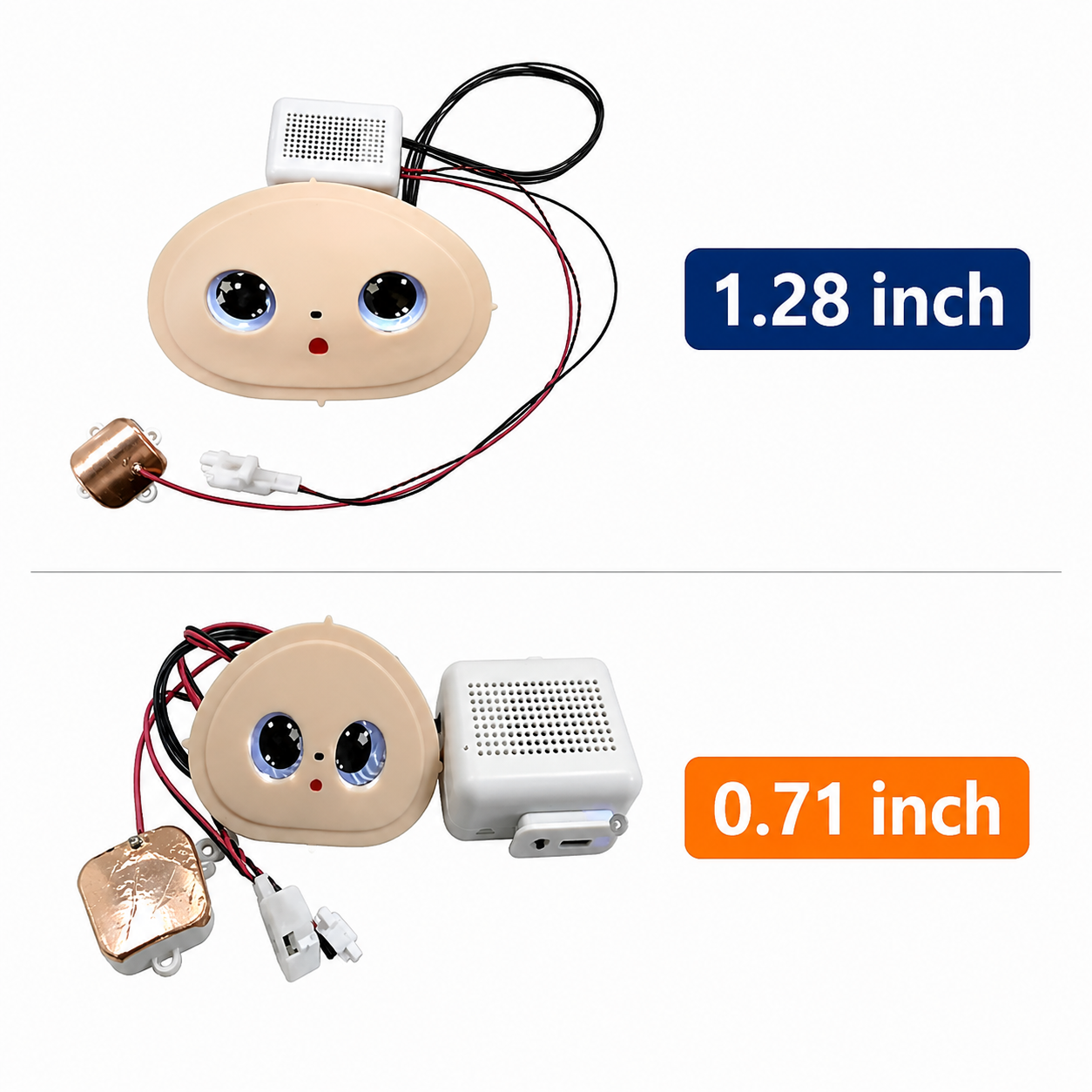
The interaction module is the bridge between a plush character and its behavior. It can deliver a short sound, play a branded message, respond to an input or support a connected conversation. The right choice depends on what the user should experience and what the buyer is prepared to operate after launch.
Begin with the interaction moment
Write the experience in one sentence before selecting hardware. For example: “When the user squeezes the paw, the character plays one of several approved phrases,” or “When the user speaks, the character provides a connected response.” This makes it easier to identify the necessary input, output and content flow.
Then answer four practical questions: What triggers the response? What should the product output? Does the content ever need to change? Does the experience require a network connection?
Understand the main solution types
Pre-recorded sound
A pre-recorded module is suitable when content is fixed and predictable. It can support character phrases, music, instructions or promotional audio. The key decisions are trigger method, number and length of audio files, speaker placement and how the module will be accessed during assembly.
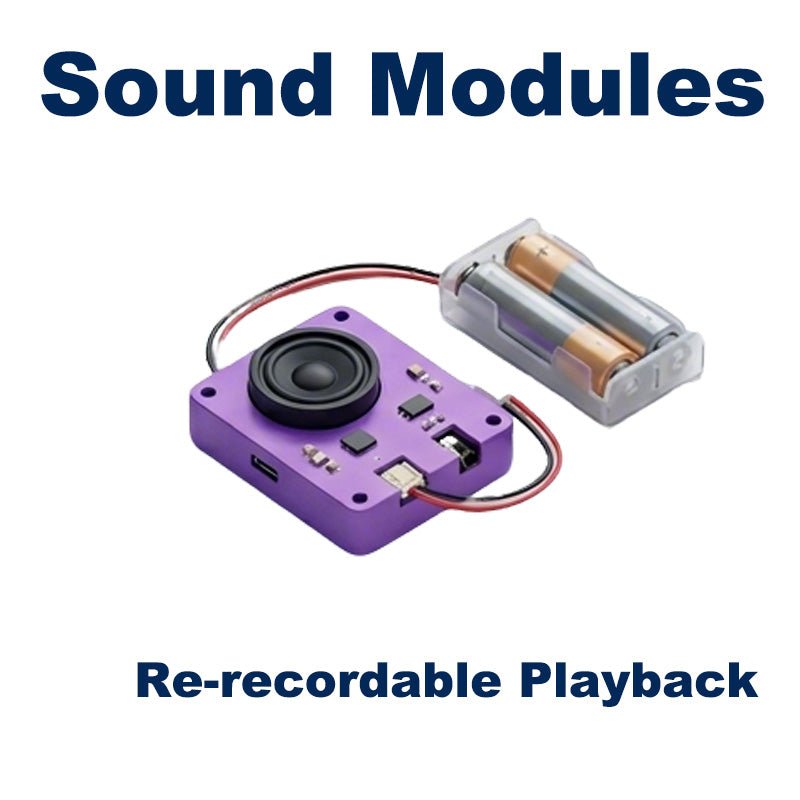
Recordable and playback modules
A recordable solution lets the user or operator capture and replay audio. This changes the interaction design because the product needs a clear recording action, playback action and feedback that helps the user understand the current state.
Bluetooth or connected control
Connected modules can coordinate content or control through another device or online service. They may support a broader content experience, but they also require decisions about pairing, connectivity, software ownership, updates and customer support.
Conversational AI
Conversational interaction can make the character feel more open-ended. It also expands the product scope beyond hardware. Buyers should define content boundaries, supported languages, account or service requirements, connectivity behavior and the long-term plan for operating the experience.
Evaluate integration, not just features
A module has to work inside a soft product. Its dimensions, speaker, microphone, buttons, charging or battery access, heat management and fastening method all affect the plush pattern. Sound can also change once a speaker is surrounded by filling and fabric, so acoustic testing should happen in an integrated sample.
Service access matters too. The team should decide whether the electronic unit is permanently enclosed or designed to be accessed. That decision affects construction, appearance and the instructions supplied with the product.
Use a simple decision checklist
- Define the trigger and the desired response.
- List every audio, light, motion or connected output.
- Confirm whether content is fixed, updateable or generated.
- Identify the destination market and product requirements.
- Plan component placement and service access early.
- Test the complete module inside the plush sample.
EmotiToy can review the product brief, compare interaction approaches and coordinate electronics integration with the plush design. The result should be a coherent product experience—not a collection of disconnected features.