An AI plush project succeeds when the character, the interaction and the physical product are designed as one system. Starting with electronics alone often creates a clever prototype that is difficult to manufacture. Starting with appearance alone can leave too little room for the speaker, battery, controls and service access.
The better approach is a staged roadmap. Each stage answers a different business question and produces a decision that the next stage can build on.
1. Turn the idea into a product brief
Before discussing fabrics or modules, define who the product is for and what the experience should feel like. A useful brief does not need to be long, but it should be specific enough to guide both creative and engineering work.
- Audience: intended age range, buyer type and use setting.
- Character: visual identity, personality and the emotional response it should create.
- Core moments: the three to five interactions that matter most.
- Market plan: destination countries, sales channel, packaging format and target launch window.
- Brand controls: approved artwork, voice direction, content boundaries and required review steps.
This brief becomes the reference point when the team must choose between features, cost, size and schedule.
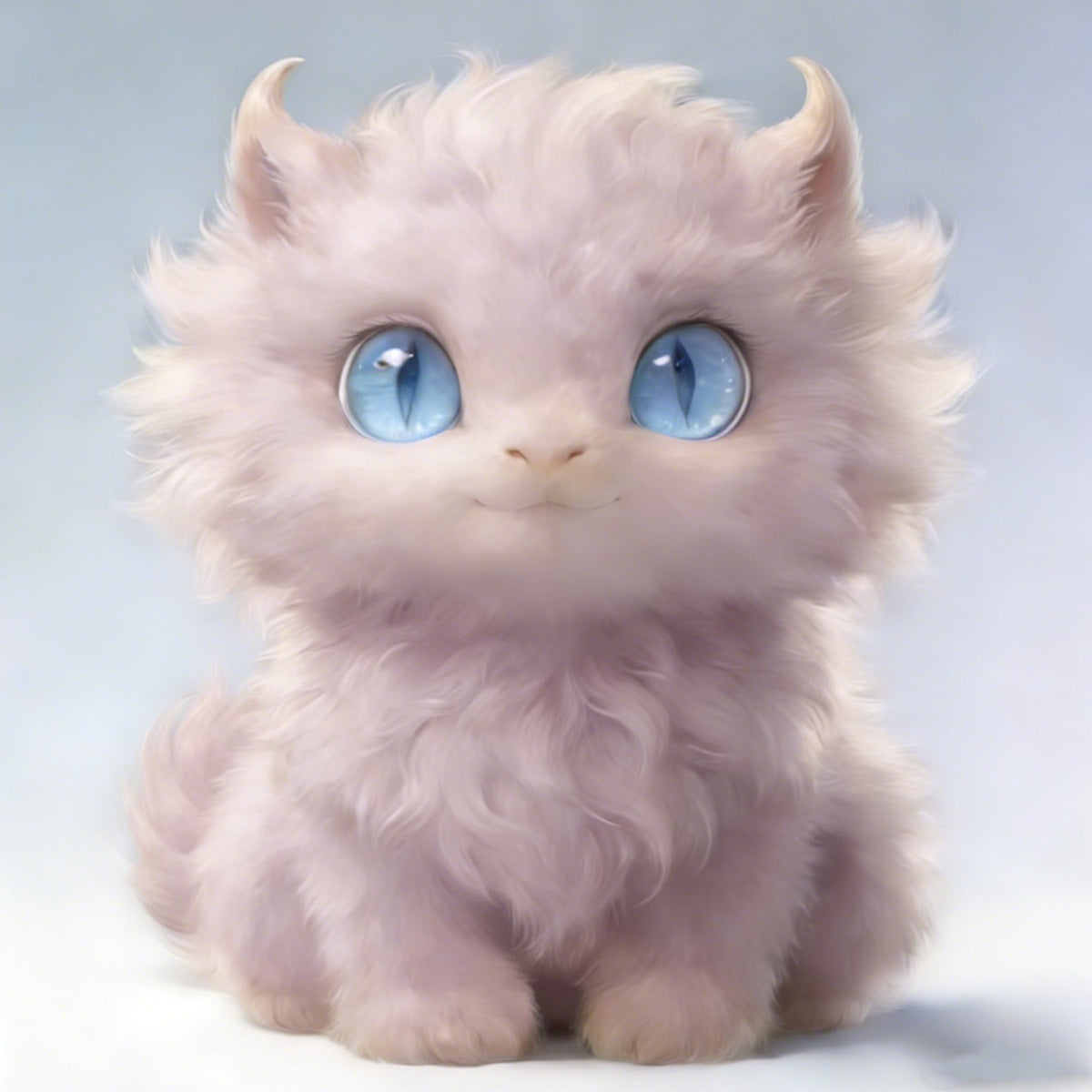
2. Design the character and behavior together
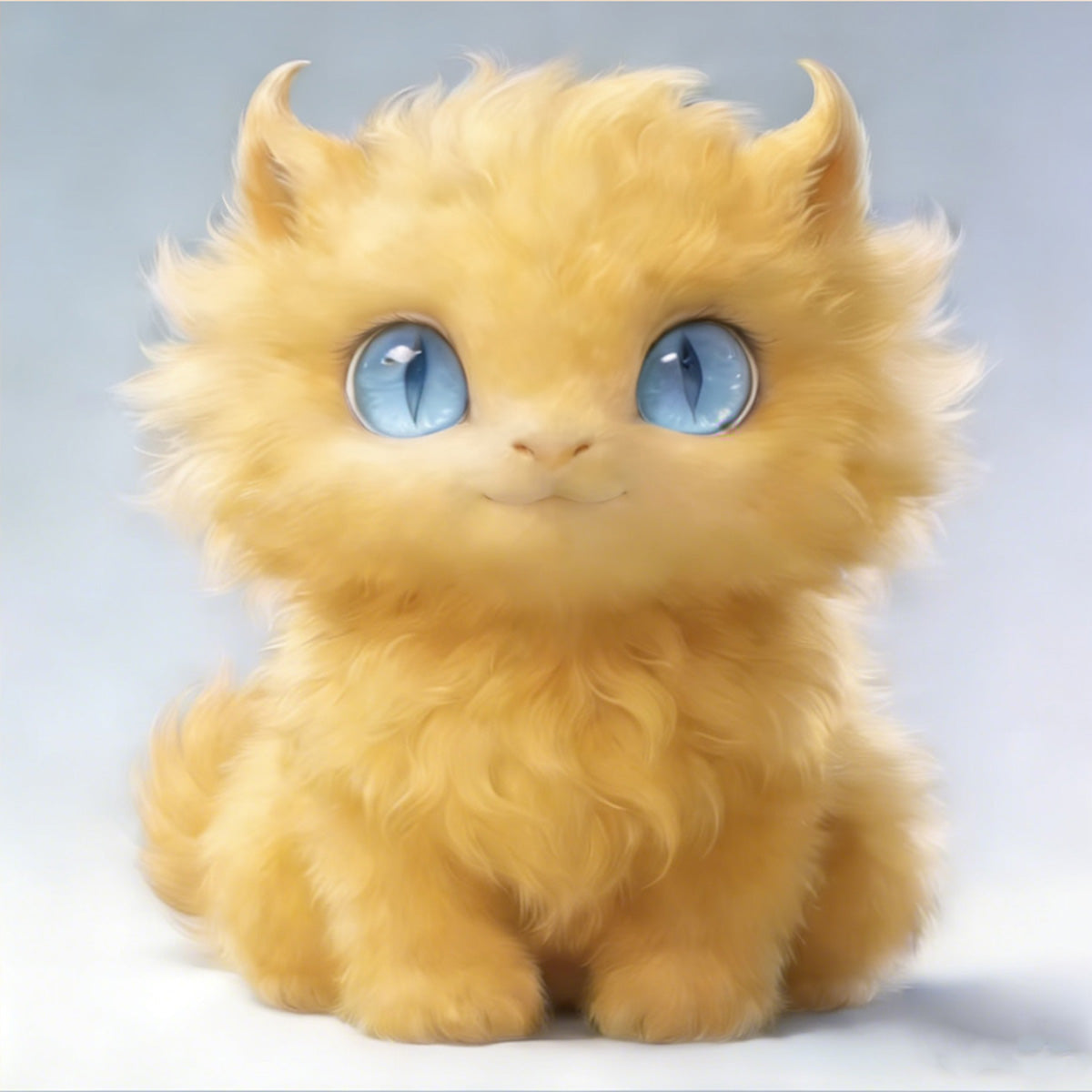
Character development is more than selecting a silhouette. The location of the eyes, mouth, paws and accessories influences where controls and electronic components can sit. The same is true for behavior: a calm companion, a learning character and a promotional mascot need different response patterns.
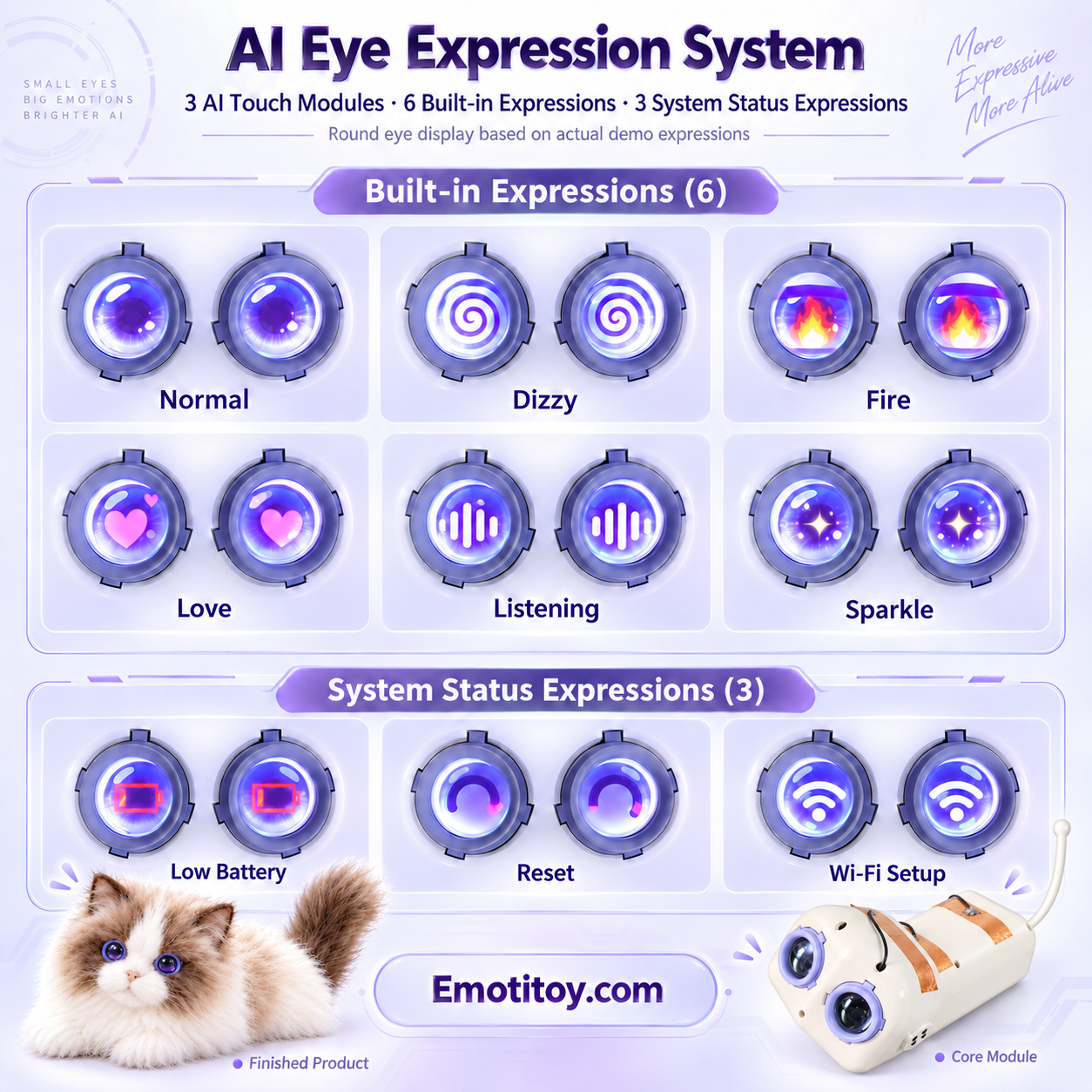
At this stage, map each user action to a response. A simple interaction map might pair a squeeze, button press or spoken prompt with sound, light or conversational feedback. Keep the first version focused. A small number of well-designed moments is usually easier to test and explain than a long feature list.
3. Select the interaction architecture
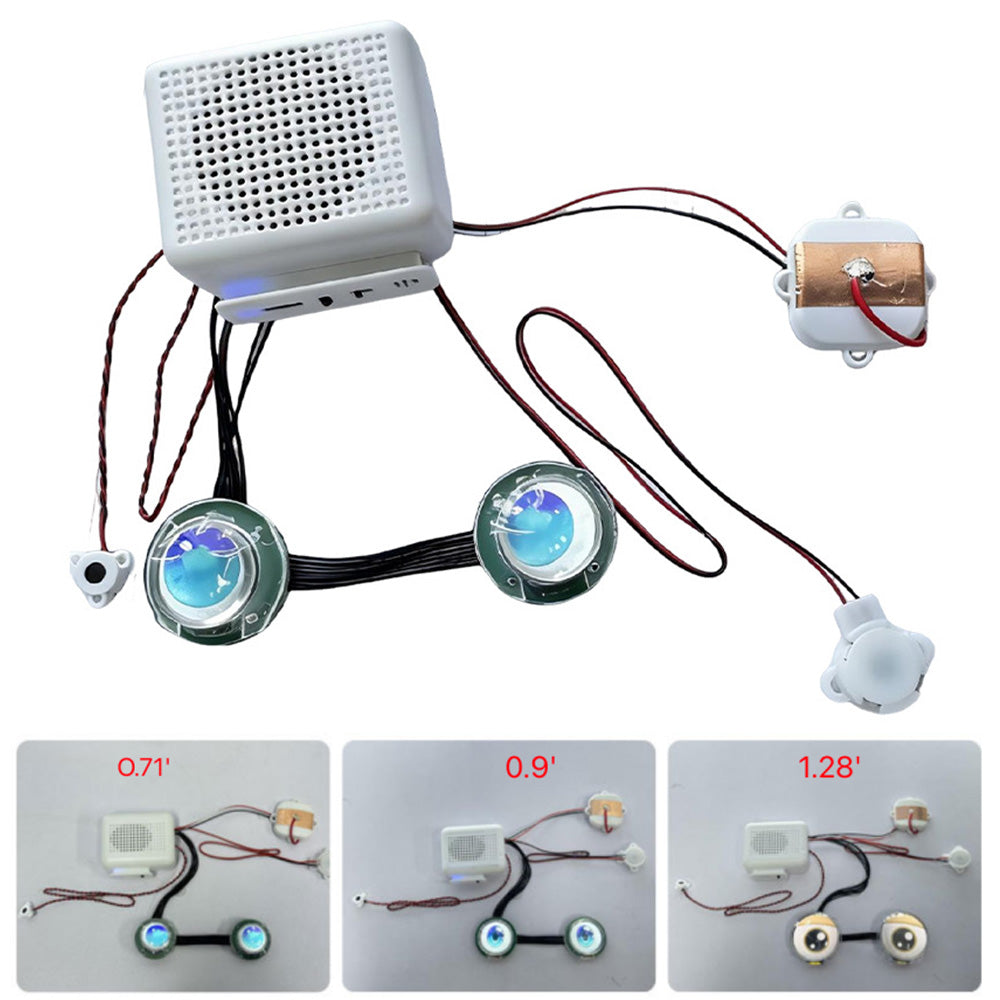
The interaction module should follow the experience—not the other way around. Pre-recorded sound can be appropriate for a predictable branded message. Re-recordable or connected modules support different use cases. AI-connected interaction introduces additional decisions around connectivity, content management, privacy and ongoing service design.
EmotiToy works with buyers to align plush construction and electronic integration. The objective is to identify an architecture that fits the desired interaction, available internal space and production plan.
4. Prototype in layers
One prototype rarely answers every question. A more efficient sequence separates the decisions:
- Appearance sample: proportion, color, fabric, embroidery and brand details.
- Functional sample: controls, sound, light, response logic and component placement.
- Integrated sample: the complete experience inside the final-style plush construction.
- Pre-production sample: approved materials, packaging and repeatable assembly details.
Document feedback at each step. Clear approval records prevent an appearance change from silently creating a new engineering problem later.
5. Prepare the production handoff
Production readiness means the product can be made repeatedly, inspected consistently and packed correctly. Confirm artwork versions, material references, component locations, firmware or audio versions, labels, packaging content and the inspection standard. Market-specific testing and compliance requirements should also be identified for the intended destination before mass production.
For distributors, retailers and toy brands, a complete handoff makes quoting and scheduling more reliable. EmotiToy supports custom plush design and prototyping, electronics integration, packaging coordination and mass-production preparation for OEM/ODM projects.
A useful next step
Bring a character sketch, reference image or existing plush concept together with the intended interaction and destination market. Even an early brief gives the development team enough context to identify open questions and propose a practical path to a prototype.